
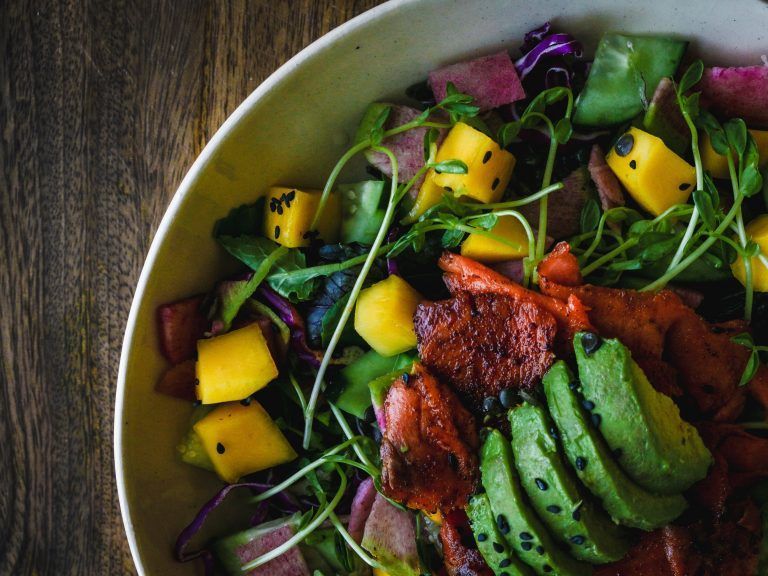

Foods to Improve Egg Quality

"What can I eat to improve my egg quality?"
It’s one of the most common questions we hear from women preparing for pregnancy.
And it’s a good one.
The food you eat provides nutrients for follicle development, cellular energy production, hormone function, and protection from oxidative stress—all of which play a huge role in your fertility.
And when you start matters, too.
An egg goes through roughly 3–4 months of growth and development before ovulation, which means the months before you try to conceive are an important window for supporting egg health.
If possible, we recommend working on your nutrition at least 3–4 months before trying to conceive or preparing for an egg retrieval.
Already trying? That doesn’t mean you’re too late. It simply means the best time to start is now.
Of course, nutrition is only one piece of the egg-quality puzzle.
We covered the bigger picture – including lifestyle, supplements, blood sugar, sleep, and environmental exposures – in our last blog post.
Now we want to get more specific about the foods you can eat to support fertility and the quality of your eggs.
And no, you don’t need a “perfect” fertility diet.
You don’t need to eliminate every food you enjoy, buy expensive superfood powders, or spend the next four months eating salmon and Brazil nuts every day.
You need enough food, plenty of nutrients, and consistency far more than you need perfection.
In this post, we'll cover:
- The nutrients that matter most for egg quality
- Our favorite foods for fertility
- Foods to limit
- How to build a meal that supports egg quality using our simple formula

First: Make Sure You're Eating Enough
Before we talk about what to eat, we have to talk about eating enough.
You can eat all the organic vegetables you want, but if your body isn't getting enough total energy, reproduction can take a back seat.
We especially watch for this in women who:
- Skip meals
- Restrict carbs
- Exercise frequently or intensely
- Have a history of dieting or chronic calorie restriction
- Get so busy during the day that they simply forget to eat
Under-fueling can interfere with healthy ovulation and hormone production.
So before you start obsessing over whether you’re eating enough blueberries or the “right” type of seed, ask yourself a more basic question:
Am I consistently eating enough?
Once that foundation is in place,
then we can focus on getting more of the nutrients that support reproductive health.

What to Eat to Improve Egg Quality
1. Eggs
Yes, eggs for egg quality.
It sounds almost too obvious, but they're one of our favorite fertility foods for a good reason.
Egg yolks are an excellent source of choline, a nutrient involved in the development of healthy cell membranes and one that becomes especially important during pregnancy.
Egg yolks also provide preformed vitamin A and other fat-soluble nutrients that support reproductive health.
So if you’ve been ordering egg-white omelets because you assumed they were healthier, keep the yolks. Egg whites are a great source of protein, but almost all of an egg's vitamins and minerals are stored in the yolk.
Try: Eggs with avocado and sourdough toast, hard-boiled eggs as a snack, an egg added to a grain bowl, or eggs worked into protein pancakes or homemade French toast if you don't love them on their own.
2. Salmon and Other Low-Mercury Fatty Fish
If we had to pick one food that packs an impressive number of fertility-supportive nutrients into a single meal, fatty fish would be high on the list.
Salmon provides:
- Omega-3 fatty acids
- High-quality protein
- Vitamin D
- Vitamin B6
- Selenium
- Other important egg-supporting micronutrients
Omega-3 fats are particularly important because they support a healthy inflammatory response and are involved in the development of the egg and embryo.
You don't have to eat salmon every day though. Sardines, barramundi seabass, and trout can help provide many of the same benefits.
Try: Salmon with roasted potatoes and vegetables, smoked salmon on toast with cottage cheese, or salmon added to a rice bowl with avocado and greens.
3. Oysters
Oysters aren't everyone's idea of a staple food, but if you enjoy them, they are one of the most nutrient-dense foods you can include during the preconception period.
They're especially rich in bioavailable zinc, while also providing iron, vitamin B12, omega-3 fats, and other minerals.
Zinc plays several roles in egg quality, from helping follicles mature normally to supporting the energy production an egg needs to develop.
It also helps protect developing eggs from oxidative stress, a type of cellular damage that can affect egg quality.
And this isn't just a female fertility nutrient.
Zinc is also important for male fertility, which makes oysters a great preconception food for both partners.
Try: Keep it simple—oysters with lemon, hot sauce, and/or crackers.
4. Avocado
Avocado earns a spot on this list because it’s an easy way to add healthy fats, fiber, and fertility-supportive nutrients to your meals.
It’s especially rich in monounsaturated fats and also provides vitamin E, folate, magnesium, potassium, and antioxidants.
Healthy fats are important for hormone production and healthy cell function, and the combination of fat and fiber makes meals more satisfying and supports a steadier blood sugar response.
The fat in avocado also helps your body absorb fat-soluble vitamins and antioxidants from the other foods on your plate.
Try: Avocado with eggs, added to bowls and salads, or mashed onto toast with a protein source.
5. Cruciferous Vegetables
Broccoli, Brussels sprouts, cauliflower, cabbage, kale, arugula, and other cruciferous vegetables are some of our favorites for supporting egg quality.
They’re packed with vitamins, minerals, and protective plant compounds that support your body’s natural antioxidant defenses.
You don’t need to do anything complicated to get the benefits. Just aim for at least one serving of cruciferous vegetables per day, and rotate through a few different options throughout the week.
Try: Roasted brussels sprouts, broccoli with dinner, arugula salad, or cauliflower added to a sheet-pan meal.

6. Colorful Fruits and Vegetables
When it comes to antioxidants, variety matters.
And colorful fruits and vegetables are one of the best places to start.
We like to think of antioxidants as your cells’ personal defenders. They help neutralize the unstable molecules that contribute to the cellular stress we mentioned earlier, helping protect cells from damage.
Because developing eggs are especially sensitive to oxidative stress, getting plenty of antioxidants through food is one way we can help protect them as they mature.
Berries, kiwi, citrus, papaya, cherries, leafy greens, peppers, carrots, tomatoes, and other colorful produce all provide different antioxidants and micronutrients - which is why variety matters more than finding one perfect “fertility superfood".
A good rule of thumb: the more colorful your plate is, the broader the range of nutrients you're getting!
Try: Berries or kiwi with Greek yogurt, spinach in a smoothie, bell peppers with hummus for a snack, or an extra vegetable with dinner. Consider frozen fruits and vegetables for an easy way to add more color without worrying about fresh produce going bad.
7. Red Meat
Red meat is one of the most nutrient-dense sources of several nutrients that matter during the preconception period.
Beef provides iron, zinc, B12, protein, and L-carnitine.
Zinc plays an important role in normal egg growth and maturation, while L-carnitine supports mitochondrial energy production (something developing eggs rely heavily on as they mature).
Red meat is also an excellent source of iron, a nutrient we want to make sure is adequate before pregnancy. Iron needs increase during pregnancy, and low stores can become harder to correct once you're already pregnant.
This doesn't mean everyone needs to eat steak every day. But if you enjoy and tolerate red meat, it can absolutely have a place in a nutrient-dense fertility diet.
Try: grass-fed beef burgers, ground beef in a rice bowl, or steak with roasted potatoes and vegetables.
8. Liver and Other Organ Meats
This one isn't for everyone, but liver is one of the most concentrated sources of several nutrients we care about for fertility.
It’s especially rich in preformed vitamin A, choline, B vitamins, iron, and other micronutrients that support reproductive health and egg development.
Preformed vitamin A is particularly important for normal cell growth and development, including during egg development.
Because liver is so concentrated in vitamin A, more isn’t better. Excessive intake of preformed vitamin A can be harmful, especially during pregnancy, so your liver intake should be considered alongside other sources of vitamin A in your diet as well as supplements.
And if eating liver sounds unrealistic to you, don’t force it. You don’t
need organ meats to support egg quality. There are plenty of other ways to build a nutrient-dense fertility diet!
9. Full Fat Dairy
If you can tolerate dairy, foods like yogurt, kefir, cottage cheese, and cheese can be an easy way to add protein, fat, calcium, and other essential nutrients to your diet.
There’s also some interesting research around dairy and fertility. In a large 2007 study, women who ate more full-fat dairy had a lower risk of infertility related to ovulation, while higher intake of low-fat dairy was associated with a higher risk.
That doesn’t necessarily mean full-fat dairy improves egg quality—the research there is much more limited—but it’s one of the reasons we generally recommend reaching for full-fat versions during the preconception period.
Full-fat dairy can also help make meals and snacks more satisfying and helps stabilize blood sugars when you eat carbs.
For example, instead of eating fruit by itself, pair it with Greek yogurt or cheese.
Try: Greek yogurt with berries and chia seeds, cottage cheese with fruit or healthy crackers, sliced apple with a salty cheese like manchego, or kefir added to a smoothie.

10. Nuts and Seeds
Nuts and seeds make it easy to add fertility-supportive nutrients without completely changing the way you eat.
Almonds and sunflower seeds provide vitamin E, an antioxidant that helps protect developing eggs from oxidative stress.
Brazil nuts are especially rich in selenium, a mineral involved in antioxidant defenses and healthy thyroid function. Selenium also supports healthy egg maturation and early embryo development.
Walnuts, chia seeds, and flaxseed provide ALA, a plant-based omega-3 fatty acid that protects egg cell membranes, reduces damaging inflammation, and supports cellular energy inside the ovaries.
Beyond those specific nutrients, nuts and seeds provide healthy fats, minerals, and fiber, making them an easy addition to meals and snacks.
You don't need handfuls of every seed in the pantry. Pick a few you actually enjoy and rotate them.
Try: Almonds with fruit, chia or ground flaxseed mixed into yogurt or oatmeal, walnuts or pecans added to a salad, or sunflower seeds sprinkled over a grain bowl.
11. Quality Carbohydrates
Carbohydrates absolutely have a place in a fertility-supportive diet.
And while we're here, let’s clear up a fertility misconception: supporting stable blood sugar does not mean you need to go low-carb.
Your ovaries respond to insulin. When insulin levels are chronically elevated, especially in women with insulin resistance or PCOS, it can interfere with normal hormone signaling, follicle development, and ovulation.
But taking carbohydrates too low can create its own problems for hormone production and ovulation.
So instead of cutting carbs, focus on the type of carbohydrate and what you're eating alongside it.
Whole food carbs like potatoes, rice, oats, quinoa, beans, lentils, butternut squash, whole grains, and fresh fruit provide carbohydrates along with fiber and other nutrients.
Pairing these whole food carbs with protein, healthy fats, and additional fiber helps create a steady blood sugar response rather than a quick spike.
Think rice + salmon + avocado + vegetables rather than rice by itself.
Try: Sweet potatoes with eggs and avocado, quinoa added to a grain bowl, a salad with butternut squash and berries, or rice paired with chicken thighs and sauteed vegetables.
How to Build a Meal that Supports Egg Quality
We want fertility nutrition to feel practical.
You don't need a separate "fertility diet" or a completely different way of eating.
Most meals can follow a simple formula:
Protein + quality carbohydrate + healthy fat + colorful produce
That might look like:
Breakfast: Eggs, sourdough toast, avocado, and an apple
Lunch: Salmon, rice, roasted broccoli, and hummus
Snack: Greek yogurt or Kefir with berries, chia seeds, and sliced almonds
Dinner: Grass-fed steak, roasted potatoes, Brussels sprouts, and feta
Nothing extreme. Nothing trendy.
Just enough food and a wide variety of nutrients showing up consistently.
A Few Things to Eat Less Often
Supporting egg quality isn't only about adding foods.
There are also a few things worth limiting to improve the quality of your eggs.
Highly processed foods and fast food provide fewer of the nutrients we want during preconception, and frequent fast-food intake has been associated with a longer time to conception.
We also recommend keeping added sugar relatively low and minimizing alcohol.
Don't Overcomplicate Your Diet
You could spend hours online reading conflicting advice about fertility foods.
Eat more meat.
Eat less meat.
Cut dairy.
Eat dairy.
Go low-carb.
Go plant-based.
Never touch gluten.
Buy every fertility superfood available.
It's enough to make anyone feel like they're doing something wrong.
You don't need to eat perfectly to support your egg quality!
Start with the basics:
- Eat enough.
- Include protein with all your meals.
- Add healthy fats and whole food carbohydrates.
- Eat a variety of colorful produce.
Then personalize from there. Because the "best" fertility diet depends on
your nutrient status, hormones, blood sugar, thyroid function, digestion, health history, and what you can realistically maintain.

What's Next
The foods you eat today are part of the environment your eggs will develop in over the next several months.
And while food isn't the only factor affecting egg quality, it's one of the areas you have the most opportunity to influence.
At Plate and Canvas, we use a functional medicine approach along with advanced lab testing to understand how factors like nutrient status, blood sugar regulation, thyroid function, hormones, and inflammation may be influencing your fertility.
From there, we build a personalized preconception plan based on your labs, health history, lifestyle, and goals.
If you're trying to conceive and want to stop guessing about what
you should be eating to support egg quality and a healthy pregnancy, book a discovery call
here to explore what working together would look like and see if it’s a good fit.
Continue Reading