


How to Improve Egg Quality Naturally, According to a Fertility Dietitian
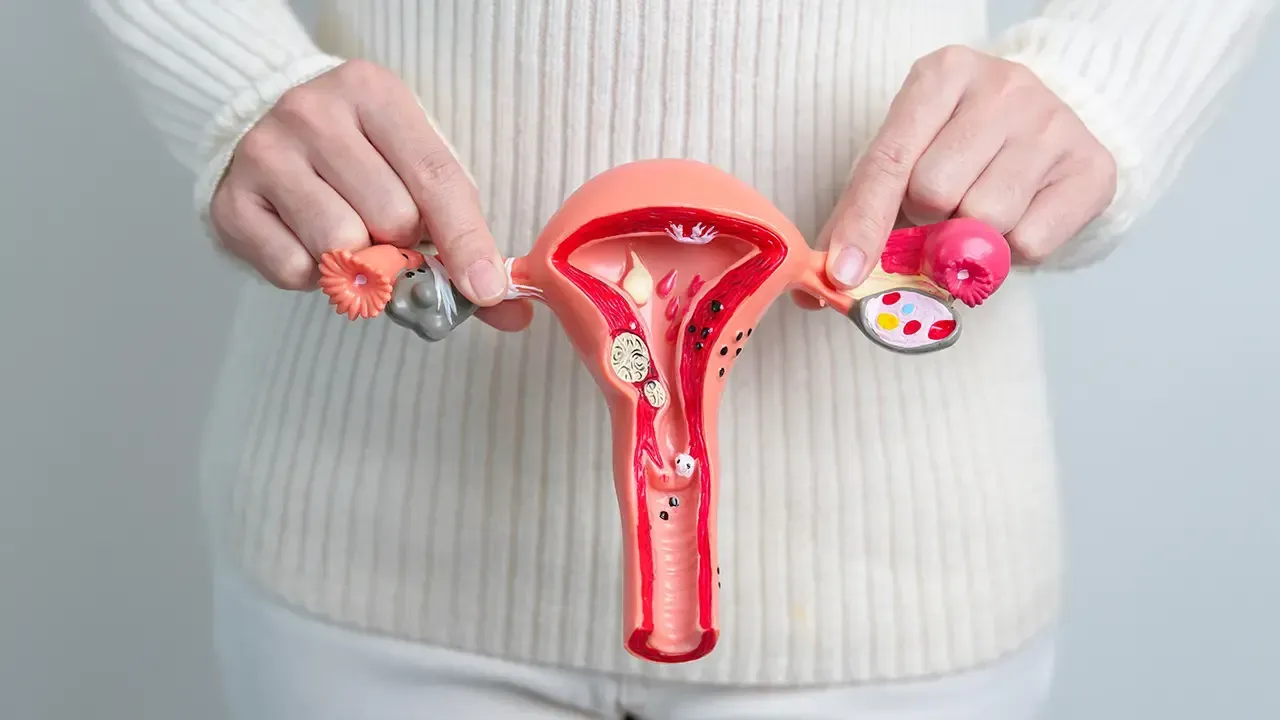
"Is there anything I can do to improve my egg quality?"
We hear this question constantly, from women trying to conceive naturally and women preparing for IVF.
And the answer is yes.
Egg quality isn't set in stone. It's influenced by what's happening in your body months before an egg is ever released.
In this article, we'll cover:
- What egg quality actually means and why it matters
- The biggest drivers of egg quality
- What to do about it: diet, supplements, and lifestyle
Why Egg Quality Matters
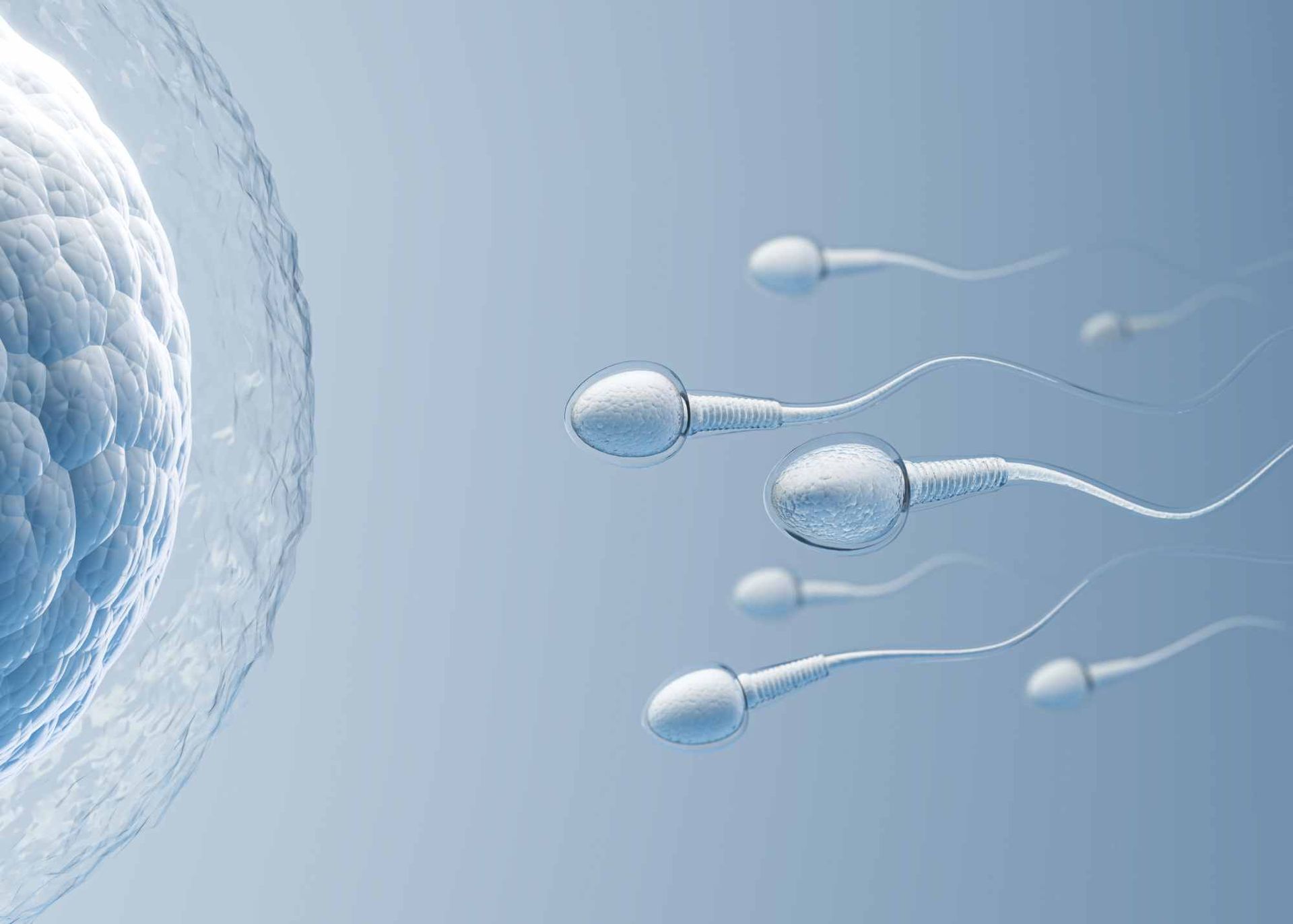
Egg quality refers to how healthy and genetically normal an egg is, not just whether you have eggs available. The higher quality an egg is, the more likely it can be fertilized successfully, develop into a healthy embryo, and result in a full term pregnancy.
This matters whether you're trying to conceive on your own or you’re going through IVF. More eggs, or egg quantity, won't help if the ones you have aren't functioning optimally.
Here's the part most women aren't told: it takes 90 to 120 days for an egg to develop from an immature cell into one that's ready for ovulation.
Whatever is happening in your body during that 3-4 month window – your nutrient status, blood sugar, stress levels – directly shapes the eggs you'll ovulate months later.
This is why we generally recommend at least three to four months of focused egg quality support before trying to conceive or starting an IVF cycle.

Main Factors Affecting Egg Quality
Oxidative Stress
Your body naturally creates small, unstable molecules called reactive oxygen species (ROS) as a normal part of metabolism. A
low number of ROS are completely normal, but factors like inflammation, poor sleep, and toxin exposure can create an excess of these molecules and damage the egg.
Blood Sugar Instability
Ovaries have insulin receptors, so they respond directly to blood sugar swings. Chronically high insulin promotes inflammation and can interfere with normal follicle development.
Nutrient Status
Egg development relies on specific nutrients, including choline, folate, B12, zinc, selenium, and preformed vitamin A. Deficiencies in any of these micronutrients can limit how well an egg matures.
Chronic Inflammation
Inflammation disrupts hormone signaling, impairs follicle development, and creates a less favorable environment for a maturing egg.
Toxin Exposure
Chemicals in plastics, personal care products, and cookware can act like low-level endocrine disruptors, adding to the oxidative burden your eggs have to deal with.
None of these factors live in isolation - they interact. This is why a scattered approach (“just take this supplement” or “just cut out sugar”) rarely moves the needle, while addressing the full picture often does.

What to Do About It
Eat Enough
This is the one we see missed most often.
Under eating, whether intentional or just a busy-life byproduct, sends a signal to your body that resources are scarce. Reproduction is one of the first systems to get deprioritized when that happens.
Avoid regularly skipping meals (no, protein powder in your coffee doesn’t count as breakfast) and treat your hunger cues like helpful signals rather than something you try to ignore.
Focus on Nutrient-Dense Foods
Nutrient-dense foods are foods that provide plenty of vitamins, minerals, and other nutrients your body needs to support healthy egg development.
Try to center most of your meals around whole unprocessed foods like meat, fish, eggs, dairy, fruits, vegetables, whole grains, starches, beans, nuts and seeds.
Keep Blood Sugar Stable
Because ovaries are insulin-sensitive, blood sugar swings create metabolic stress that can impair follicle development. Building balanced meals with protein, fat, and fiber, avoiding long stretches without eating, and focusing on slow-burn carbs goes a long way here.
Note: keeping your blood sugars stable does
NOT mean going low-carb. Eating carbs (the right way) are not only necessary, but extremely helpful for egg quality and fertility overall.
Move the Right Way, the Right Amount
Exercise supports blood flow to the ovaries, which matters for a developing egg.
But more isn't necessarily better.
Excessive cardio and high-intensity training can work against fertility by putting too much stress on the body.
Walking and strength training tend to be the sweet spot for many women, but we give individualized recommendations to our clients based on their labs and personal preferences.

Protect and Prioritize Your Sleep
Sleep quality affects hormone regulation, blood sugar, and how well your body manages inflammation, all of which loop back to egg quality. Aim for consistent sleep and wake times, since your circadian rhythm responds better to routine than to occasional catch-up sleep.
Manage Stress
Chronic stress leads to unhealthy cortisol rhythms, which can lower progesterone and increase inflammation, both of which affect the environment your eggs are developing in.
This doesn't mean eliminating stress (that's not realistic), but building in real recovery, whether that's rest, connection, or simply saying no to more than you can hold.
Avoid Tobacco and Marijuana
Both tobacco and marijuana increase oxidative stress that can damage developing eggs. If you're preparing to conceive, this is one of the more straightforward, impactful changes you can make to support your egg quality.
Keep Alcohol Minimal
Alcohol can increase oxidative stress and interfere with the hormonal signals and follicular environment involved in healthy egg development.
While the effects appear strongest with regular or heavier intakes, even moderate drinking has been associated with poorer egg quality and embryo outcomes in some IVF studies.
Limiting your intake as much as possible will help safeguard your fertility and overall reproductive health. If you choose to drink for an occasional special event, try to stick with a max of one or two drinks.
Reduce Endocrine Disruptors and Plastics
Chemicals like BPA and phthalates can mimic estrogen and add to your overall toxin load.
Get a high-quality water filter, choose glass or stainless steel over plastic when possible, and be selective about personal care products, especially the ones your body absorbs most (lotion, body wash, perfume, etc.).
Don’t feel like you have to swap everything out overnight. Small swaps may make a meaningful difference over time!
Support Your Antioxidant Status
Because oxidative stress is one of the biggest threats to egg quality, giving your body extra antioxidant support can be a huge help in the fertility process.
Start with antioxidant-rich foods such as colorful fruits and vegetables, cruciferous vegetables, and green tea.
Depending on your labs, health history, and fertility goals, targeted supplements like CoQ10, vitamin C, vitamin E, and NAC may also be helpful.
The right supplements, dose, and timeline vary from person to person, which is why we create individualized plans rather than relying on a one-size-fits-all protocol.
Don't Try to be Perfect
This matters more than you think.
We often see women trying to change everything at once — their diet, supplements, exercise routine, and sleep.
But the stress of trying to do it all perfectly can work against the very outcome you’re trying to support.
Part of what we do is help you identify and prioritize the changes that are most likely to make a meaningful difference for your body, so you can focus your energy where it matters most and actually lower your stress levels.
When Personalized Support Makes Sense
If you've been trying to conceive for a while, or you're preparing for IVF and want your eggs in the best shape possible, working with a functional medicine practitioner can help you understand what's actually happening in your body instead of guessing.
At Plate and Canvas, we evaluate factors such as thyroid function, blood sugar regulation, hormone levels, and nutrient status to identify the areas that may need the most support.
From there, we create a personalized plan based on your labs, health history, and goals rather than relying on a generic protocol.
What's Next
Egg quality isn't something you either have or don't. It's shaped by what your body has access to in the months before ovulation, which means there's a big opportunity to influence it.
If you're trying to conceive or preparing for an IVF cycle and want a personalized preconception plan, book a discovery call
here to explore what working together would look like and see if it’s a good fit.
Continue Reading