

How to Fix SIBO Without Antibiotics
If you’re bloated by dinner, react to garlic or onions, or feel better on a low FODMAP diet — SIBO could be why.
👉 If you're not sure, check out our SIBO symptom breakdown here.
If you have been diagnosed with SIBO (or you suspect it), you might be wondering where to start.
The truth is, successfully treating SIBO takes more than antibiotics or cutting out foods.
It requires a comprehensive strategy that not only clears the overgrowth — but rebuilds a healthy, resilient gut.
In this blog, I’ll walk you through:
✅ Why antibiotics alone often fail
✅ The three key pillars of SIBO treatment
✅ The truth about the low-FODMAP diet
✅ Supplements that can help
✅ How to prevent SIBO from coming back
Why Antibiotics Alone Don't Fix SIBO
Using antibiotics alone to treat SIBO has a relapse rate of about 67% — meaning two out of three people end up right back where they started.
That's why we don’t recommend relying solely on antibiotics.
We typically use natural antimicrobials for clients, but in severe or stubborn cases antibiotics can sometimes play a supportive role.
Three Pillars of Successful SIBO Treatment
Long-term success comes from addressing SIBO from multiple angles:
- Decrease bacterial overgrowth with targeted diet changes and natural antimicrobials.
- Restore healthy gut microbiome balance with the right type of prebiotics and probiotics.
- Optimize gut motility to keep bacteria moving in the right direction
Each of these three pillars is essential for not just clearing the overgrowth — but creating an environment where it
can’t easily return.
The Truth About the Low-FODMAP Diet
Many people think a low-FODMAP diet will fix their SIBO — but it often causes more harm than good.
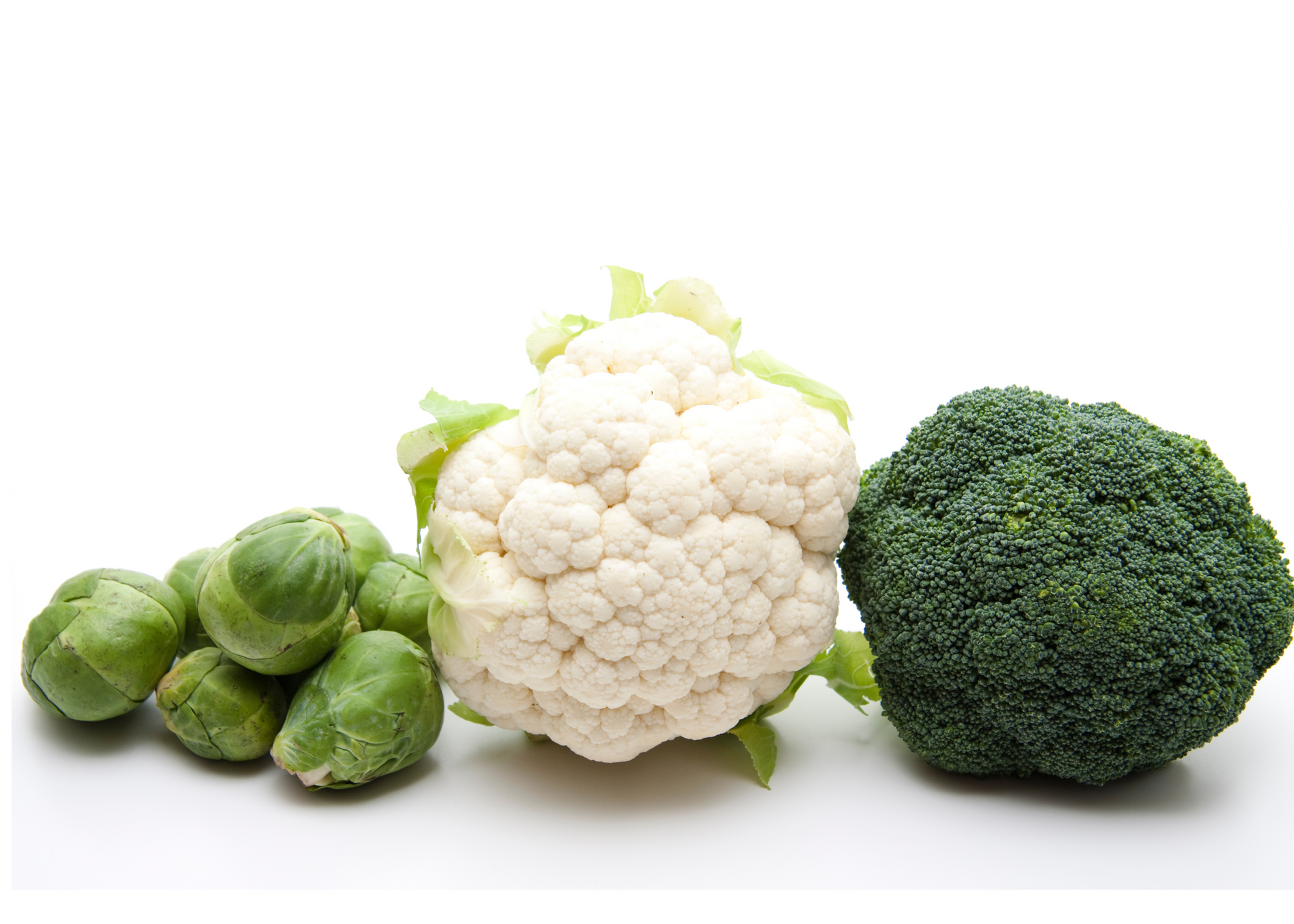
A low-FODMAP diet limits fermentable carbohydrates (like fructose, oligosaccharides, disaccharides, and polyols) found in foods like garlic, onions, cauliflower, apples, and beans.
While this can temporarily reduce symptoms like bloating and gas, it can also cause bacteria to go dormant — making antimicrobials or antibiotics less effective.
It can also starve the healthy bacteria that belong in the large intestine, which can lead to even more digestive problems and overall health issues over time.
Here’s what we typically recommend to clients:
- Include FODMAP foods during treatment to keep bacteria active and easier to target.
- If you're highly sensitive, start by including small amounts with dinner.
- If tolerated, gradually include them throughout the day for even better results.
Regardless of your FODMAP sensitivity,
minimizing added sugars, refined carbohydrates (like bread, pasta, and crackers), and alcohol
is key — both during treatment and long-term to keep SIBO from coming back.
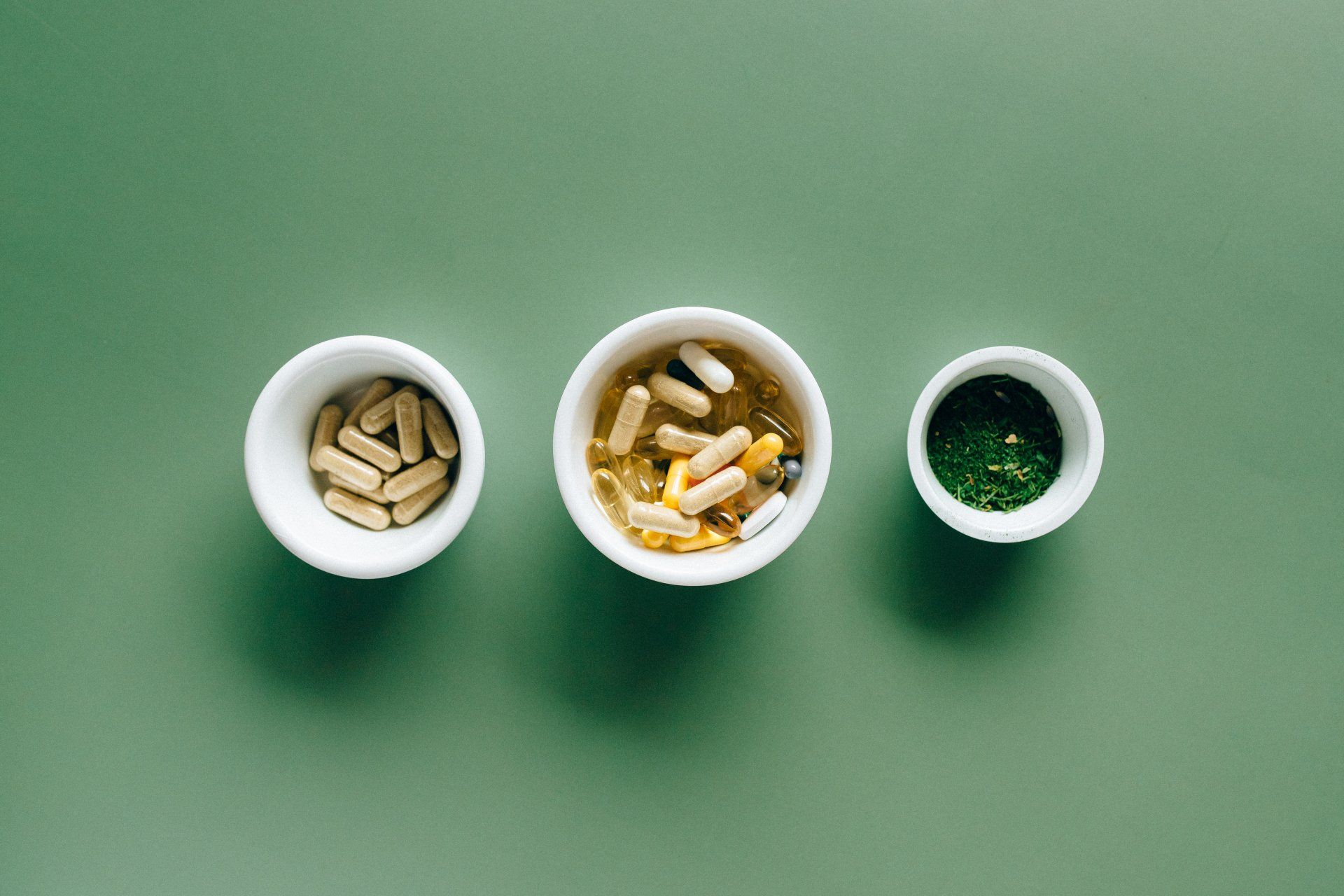
Supplements for SIBO
Here are some of our top supportive tools we often use with clients:
- Antimicrobials: Botanical antimicrobials are often as effective as antibiotics, with fewer side effects and lower cost.
- Prokinetics: Help stimulate the migrating motor complex (MMC) — keeping bacteria from lingering — without acting as laxatives.
- Spore-based Probiotics: Unlike traditional probiotics, these don’t worsen bacterial overgrowth and help rebalance the gut flora.
- Partially hydrolyzed Guar Gum: A gentle, well-tolerated fiber that boosts treatment success, supports motility, and feeds healthy gut bacteria.
(Start low and build up slowly.)
- Methane-Specific Supports: Supplements like Atrantil or Allicin can specifically help reduce methane-producing bacteria in constipation-dominant SIBO.
- Additional Supports (as needed): Gut repair formulas (like L-glutamine, zinc carnosine, or aloe), digestive enzymes, and binders depending on the individual case.
👉 Important: Every case of SIBO is different.
Testing, symptoms, severity, and your overall gut health history all impact what’s right for you.
We’ve worked with clients who had nearly identical breath test results — but needed very different protocols based on their symptoms, history, and overall gut health.
When you have a
plan that’s truly tailored to your body, healing is faster, symptom relief is more consistent, and relapse is much less likely.
Preventing SIBO Relapse
Clearing bacterial overgrowth is one thing — but preventing relapse is just as important.
It’s critical to uncover and address your unique root causes, whether that’s:
- Poor motility
- Stress
- Frequent snacking (not enough time between meals for the MMC to fire)
- Vagus nerve dysfunction
- Underlying gut infections
- Dietary imbalances
No matter how persistent or frustrating your SIBO has been, you can heal with the right approach.
Working with an experienced practitioner can make all the difference in getting real, lasting results.
Quick Recap: Key Takeaways
- Antibiotics alone often fail. A comprehensive, multi-pronged approach is necessary for effective, long-term relief.
- Treatment should focus on bacterial overgrowth reduction, gut microbiome balance, and optimizing gut motility.
- A strict low-FODMAP diet can backfire; strategic inclusion is key.
- Supplements like natural antimicrobials, prokinetics, and spore-based probiotics can support success.
- Preventing relapse requires addressing the root causes — not just killing bacteria.
Ready for lasting relief from bloating?
We help clients uncover and heal the root causes of SIBO naturally.
If you’re looking for
personalized, expert guidance,
click here
to learn more about our Wellness Blueprint.
Continue Reading