

The Sweet Potato Chili I Make All Fall and Winter (Packed With Detox + Hormone Benefits)

Taylor Stolt, RDN, LD, CLT, IFNCP • February 11, 2019
The Sweet Potato Chili I Make All Fall and Winter (Packed With Detox + Hormone Benefits)
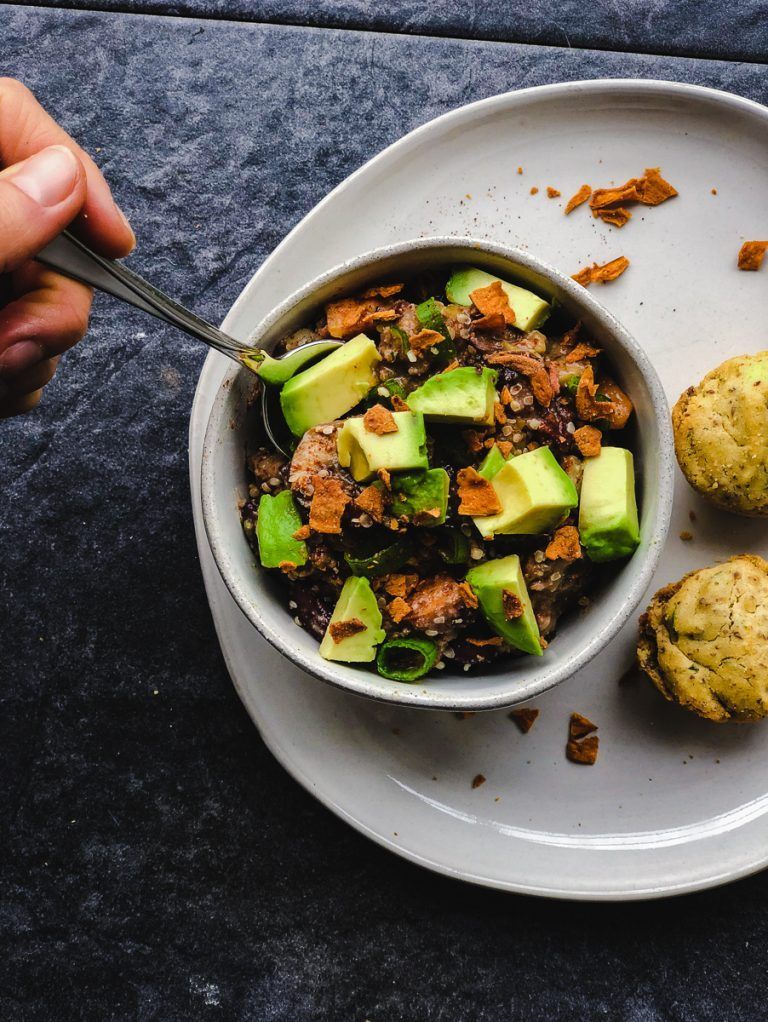


My much-awaited sweet potato chili recipe is here!


This is no ordinary chili, my friends.


Why this chili hits different:

  • Supports gut health
  • Stabilizes your blood sugars
  • Helps your liver detox toxins and excess estrogen
  • Makes delicious leftovers
  • Easy to customize (ground turkey, chicken, and beef all work!)


It’s warm and cozy (obviously), but it’s also packed with nourishing veggies, hormone-supportive ingredients, and so much flavor.


Before we get into the recipe, here are a few standout ingredients and why I use them in my own kitchen and in my virtual functional medicine practice.


Grass-Fed Beef: Omega-3’s, CLA, and B vitamins.


Why grass-fed?


Because grass-fed beef naturally contains:

  • Higher omega-3 levels
  • More B12, niacin and folate
  • A beneficial fat called CLA (conjugated linoleic acid)


Research shows CLA can help:


Small ingredient swap → big nutrient upgrade.
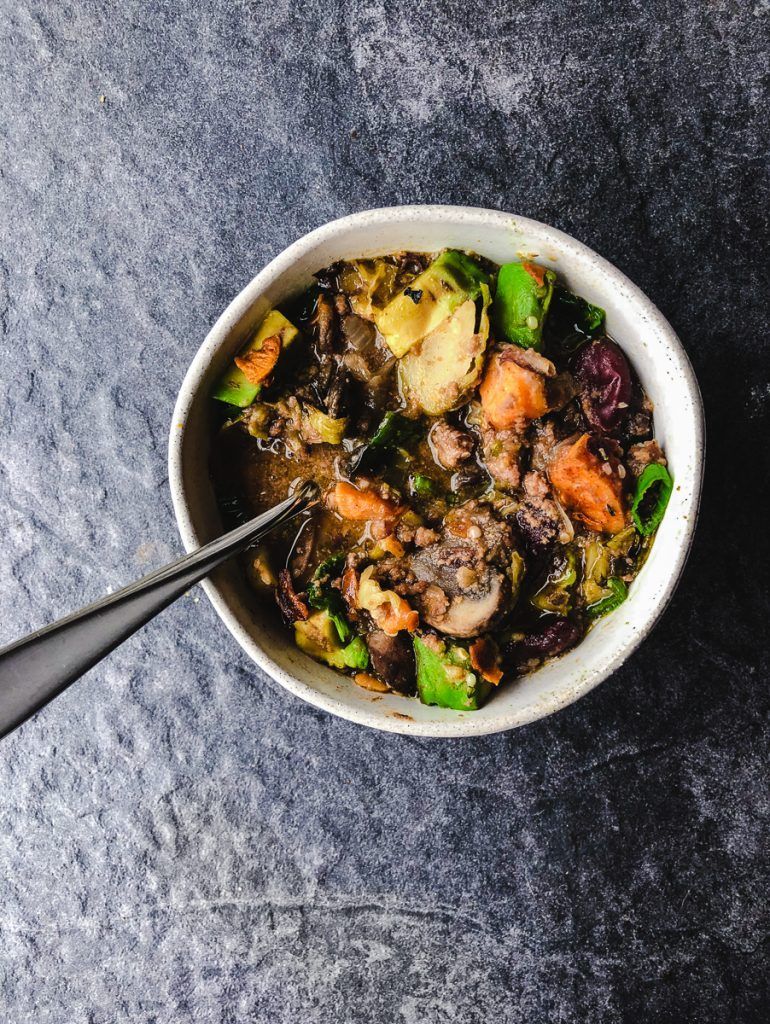
a bowl of soup with a spoon in it on a table .

Bone Broth and Brussels: Detox Support in a Bowl


Bone broth isn’t just great for gut health — it’s also a quiet hero for liver detox, thanks to glycine.


Glycine supports phase two detox detoxification, which is where your body packages up toxins (and excess estrogen) so they can leave the body.


Brussels sprouts bring even more detox support. They’re part of the sulfur-rich cruciferous veggie family (broccoli, cabbage, kale, etc.), which also support phase 2 pathways.
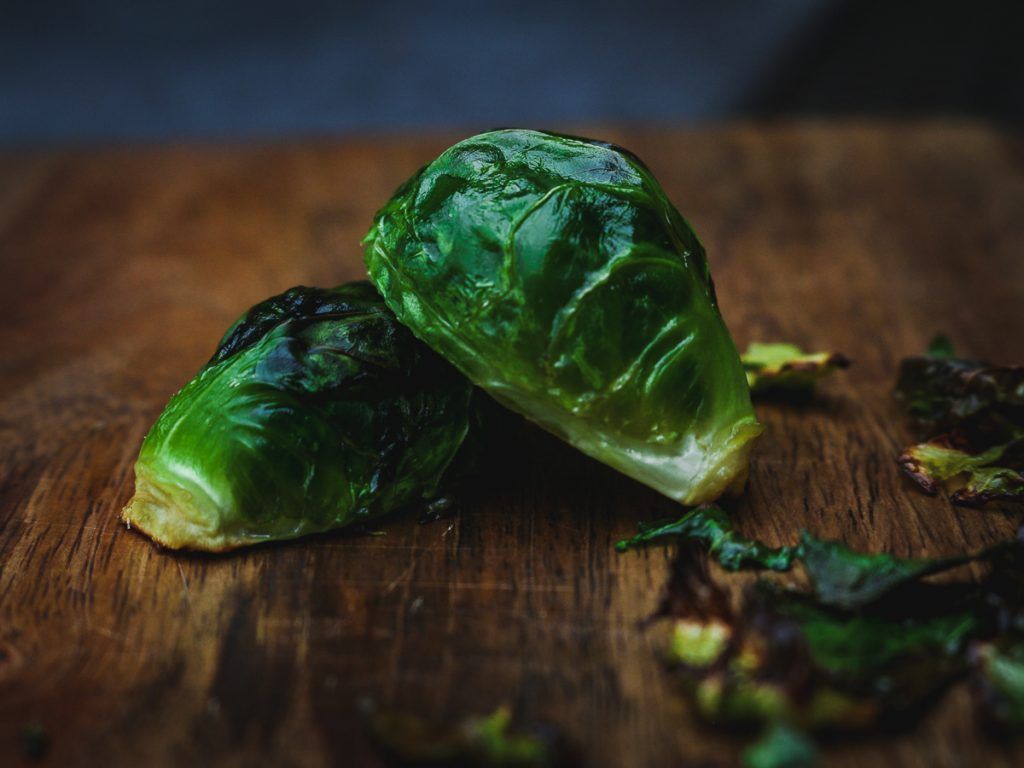
two brussels sprouts are sitting on a wooden cutting board .

Black Beans: Fiber for Gut Health + Hormone Balance


Beans may not be glamorous, but they are workhorses for hormone and gut health.


Here’s why I love including them:

  • They’re rich in soluble + insoluble fiber, which supports healthy digestion
  • Fiber plays a key role in estrogen elimination (helpful if you struggle with PMS or estrogen dominance)
  • Their resistant starch feeds beneficial gut bacteria
  • They help stabilize blood sugars


Plus, they add heartiness and texture to the chili without feeling heavy.


PS - If beans/lentils give you crazy bloat and gas, you may have a condition called SIBO. Learn more here.
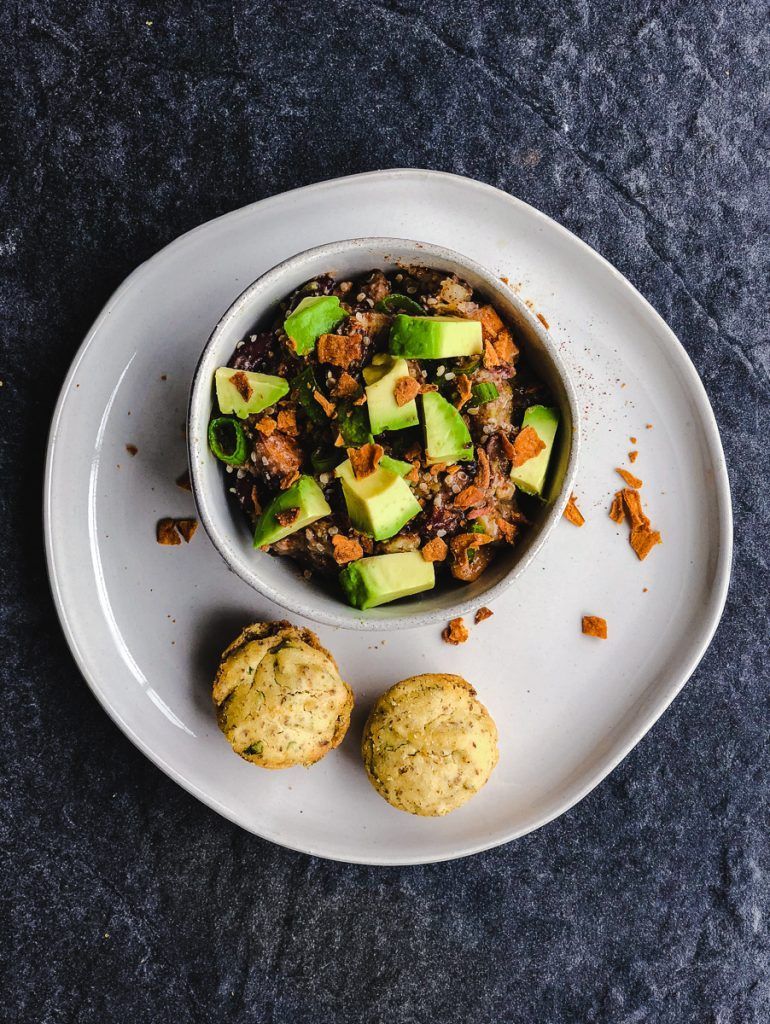
a white plate topped with a bowl of food and two biscuits .

Sweet Potato Chili


Course Main Course

Keyword chili

Prep Time 10 minutes

Cook Time 75 minutes

Total Time 90 minutes

Servings 6


Ingredients

  • 2 lb grass-fed beef
  • 2 cans black beans
  • 1 sweet onion, diced (about 2 cups)
  • 3 cups halved Brussels sprouts (cut off stems and cut in half, or buy them already halved)
  • 1 carton baby Bella mushrooms, diced
  • 3 medium sweet potatoes, diced (about 5 cups)
  • 4 cloves garlic, minced
  • 1 Tbsp paprika
  • 2 Tbsp cumin
  • 2 Tbsp coriander
  • 6 cups chicken broth/bone broth
  • 2 Tbsp avocado oil
  • 3 avocados


Instructions

  1. Preheat oven to 400°F.
  2. Sauté the veggies: Heat a large skillet on medium-high. Add 1 Tbsp avocado oil, onions, mushrooms, garlic, and a pinch of salt. Cook 10–12 minutes until softened.
  3. Brown the beef: Add ground beef + 1 Tbsp cumin. Cook ~10 minutes, breaking it apart until fully browned.
  4. Build the chili base: Transfer the beef/veggie mixture to a large pot. Add broth, black beans, 1 Tbsp paprika, 1 Tbsp cumin, and 1 Tbsp coriander. Simmer, covered, for 1 hour.
  5. Meanwhile, roast the veggies: Toss Brussels + sweet potatoes with 1 Tbsp avocado oil and spread evenly on a large sheet pan. Roast for 30–35 minutes or until lightly browned.
  6. Serve: Ladle chili into bowls. Top with roasted veggies and avocado slices.


Notes

  • Ground turkey or ground chicken can be substituted for the ground beef if desired.
  • Beef broth or veggie broth can be used instead of chicken/bone broth if desired.


Hope you love this cozy favorite as much as I do.

If you make it, tag me on
Instagram or leave a comment — I love hearing from you!


– Taylor

About THE AUTHOR

Taylor Stolt is an award-winning Functional Medicine Dietitian and women’s health expert. She has transformed her own struggles with hormonal imbalances and poor gut health into a beacon of hope for thousands of women. Taylor is the creator of the Restore Program, a step-by-step guide that shows women how to rebalance their hormones naturally. Her mission is to empower women with practical tools and sustainable habits so women can reclaim their health and feel like themselves again.

Continue Reading

By Taylor Stolt. RDN, LD, CLT, IFNCP October 31, 2025
Dads, your pre-baby workouts might be the best gift you ever give your kids. Learn how exercise before conception can boost their metabolism and athletic potential.
By Taylor Stolt, RDN, LD, CLT, IFNCP October 24, 2025
Not all fertility teas are created equal. Discover the best teas to support fertility naturally, teas to avoid, and how to build a holistic fertility plan.
By Taylor Stolt, RDN, LD, CLT, IFNCP September 30, 2025
Over 110 million women worldwide are struggling with infertility. It’s estimated that as many as 25% of pregnancies end in miscarriage. 42% of Americans have turned to fertility treatments or know someone who has. I know those are depressing stats. But whether you're considering starting a family and you're fearful of infertility, or you've already had to face the pain of infertility - please know there is hope. In our virtual private practice we’ve helped many women get pregnant, even after years of infertility. While fertility is influenced by many lifestyle factors, I would argue diet has some of the biggest impact. What you eat impacts hormone balance, egg quality, ovulation , and many other aspects of your ability to get pregnant and carry your baby to term until they’re ready to enter the world. In this blog, we’ll share: - The top 9 foods to boost fertility for women - Foods to limit - Key nutrients to focus on - Practical tips for a fertility-friendly diet - FAQs about fertility and food Whether you’re in the midst of your fertility journey or just curious about nutrition’s role — welcome. Let’s dig in!
Natural Remedies for Pregnancy Heartburn
By Taylor Stolt, RDN, LD, CLT, IFNCP September 3, 2025
Struggling with pregnancy heartburn? Discover top safe, natural remedies from functional medicine women’s health experts.
By Taylor Stolt, RDN, LD, CLT, IFNCP July 18, 2025
Struggling with fatigue, brain fog, or thyroid issues? Learn how gluten impacts Hashimoto’s and why going gluten-free could be key to healing your thyroid.
gluten-free diet healthy
By Taylor Stolt, RDN, LD, CLT, IFNCP July 8, 2025
Learn why gluten is different today, the difference between celiac and NCGS, and if you should go gluten-free—with insights from our functional medicine practice.
How to Fix SIBO Without Antibiotics
By Taylor Stolt, RDN, LD, CLT, IFNCP May 7, 2025
Struggling with SIBO? Learn why antibiotics alone often fail, how to fix SIBO naturally, the truth about the low-FODMAP diet, and the key steps to prevent relapse for lasting gut health.
By Taylor Stolt, RDN, LD, CLT, IFNCP May 1, 2025
Learn what SIBO is, the symptoms to watch for, common causes, and the most accurate way to test for small intestinal bacterial overgrowth.
By Taylor Stolt, RDN, LD, CLT, IFNCP February 27, 2025
You’re dealing with constant bloating and fatigue, and after a deep dive on Google, you find a dozen "nutrition experts" offering conflicting advice. One recommends a $400 detox kit. Another says to cut all carbs. A third tells you to "just listen to your body." Who do you trust? And more importantly—who’s actually qualified to help? If you’ve ever searched for a nutrition expert, you’ve probably seen titles like Registered Dietitian (RD), Certified Nutrition Specialist (CNS), and nutritionist . But these credentials aren’t interchangeable —and knowing the difference can help you find the right expert to truly improve your health
low iron and weight gain
By Taylor Stolt, RDN, LD, CLT, IFNCP February 26, 2025
Iron deficiency can slow metabolism, negatively affect thyroid function, and cause weight gain. Discover the connection and how to restore healthy iron levels naturally.